5 Design Principles for a Thoughtfully Edited Home Office
A thoughtful approach to home office design ideas that create clarity, comfort, and a space you genuinely want to work in.
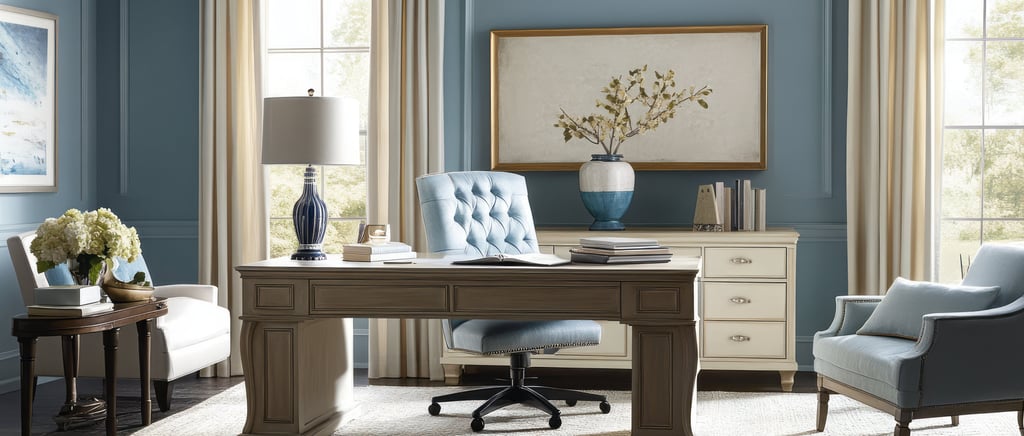
Work has moved home, but most home offices still feel temporary. A spare corner. A desk pushed against a wall. Cords trailing behind a monitor. Paper stacking faster than it can be filed. The environment functions, but it does not support clear thinking.
A thoughtfully edited workspace is not about adding more. It is about removing friction. When the surface is calm, lighting is intentional, and every tool has a place, attention stays where it belongs. The goal is not aesthetic perfection. It is usefulness that feels good to sit down to each morning. This is a framework for designing a home office that works as thoughtfully as you do.
Visual Quiet
A clear surface supports clear thinking. When a desk is crowded, attention follows the clutter. Visual quiet is not about removing everything. It is about allowing only what is necessary to remain within view.
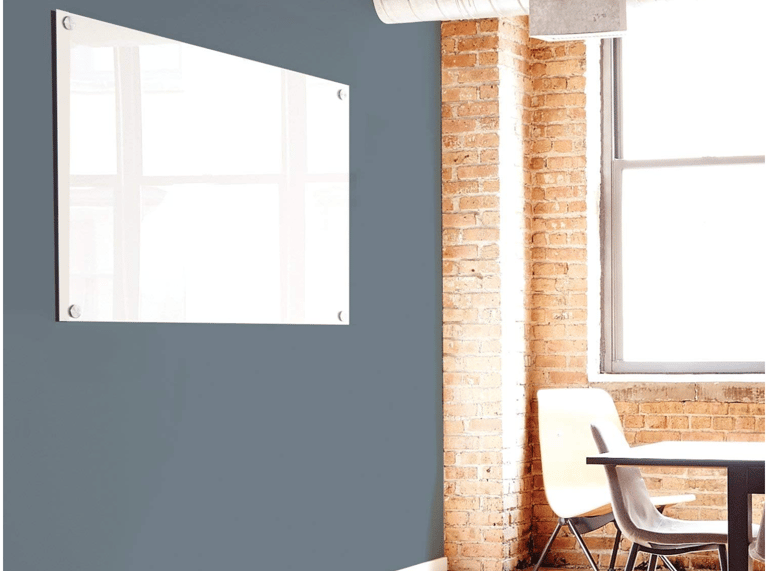
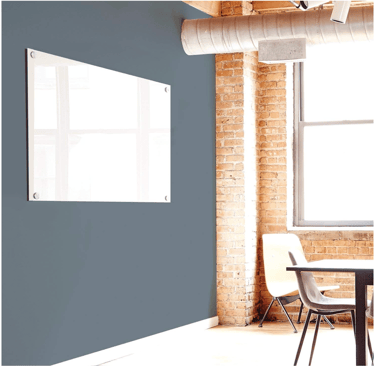
One of the simplest ways to reduce visual weight is to move planning off the desk entirely. A glass whiteboard keeps ideas visible without adding bulk or visual noise. It reflects light, blends into the wall, and allows planning to feel intentional rather than chaotic. Notes stay accessible, but the desk stays open.
On the desk itself, elevation creates clarity. A well-proportioned monitor riser lifts the screen to eye level while creating contained storage beneath it. Instead of scattered notebooks or loose papers, everything has a defined place. The surface feels lighter, even when it is fully functional.
Visual quiet is less about minimalism and more about restraint. When the desk feels calm, the work tends to follow.
Ergonomic Alignment
Physical alignment determines how long you can work comfortably and how well you can stay focused. A thoughtfully designed home office supports your posture without drawing attention to itself. When the body is supported, the mind does not have to compensate.
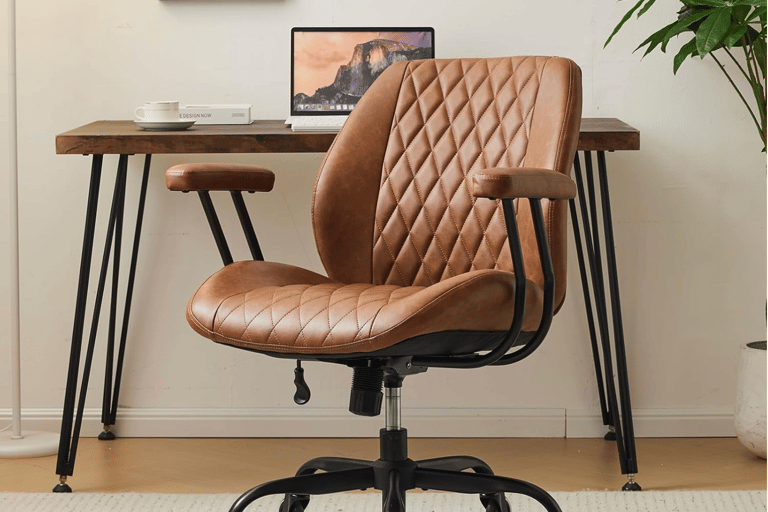
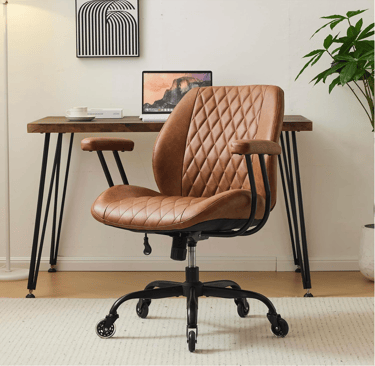
A well-made office chair is foundational. Look for one that supports the natural curve of the spine and allows your feet to rest flat on the floor. The right chair should feel steady and balanced, not overly padded or visually heavy. It becomes part of the room rather than an obvious piece of equipment.
For added flexibility, a sit–stand desk introduces movement into the day without disrupting the overall aesthetic of the space. The ability to shift positions supports circulation and energy, especially during long work sessions. When height and posture are aligned, the workspace feels designed for real work rather than temporary use.
Ergonomic alignment is not about technical adjustments. It is about creating a setup that allows you to work comfortably, consistently, and without distraction.
Light with Intention
Lighting influences more than visibility. It shapes energy, focus, and the overall tone of a room. In a thoughtfully designed home office, light should feel layered and considered rather than harsh or purely functional.
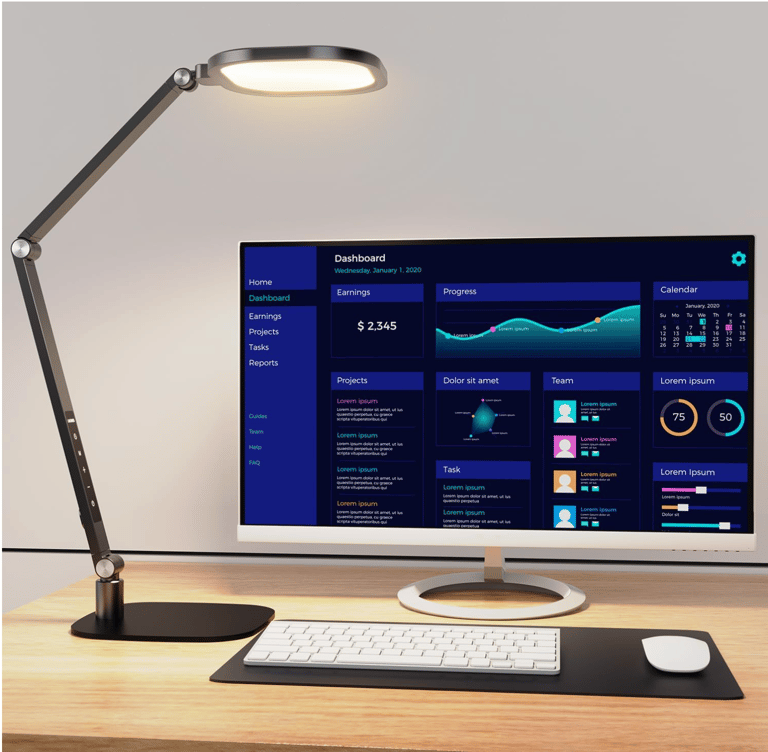
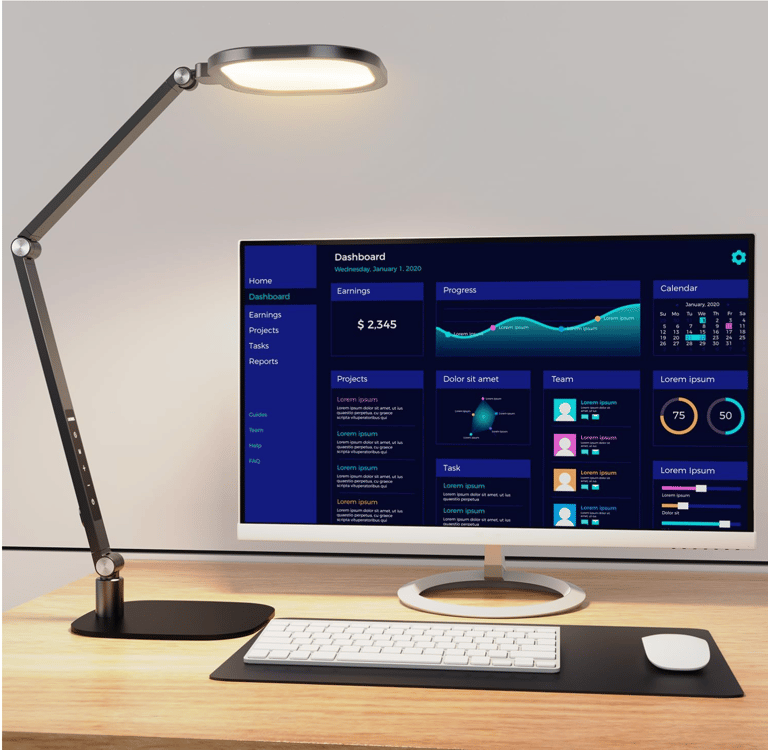
A dedicated desk lamp creates focused illumination where it is needed most. Adjustable task lighting reduces eye strain and allows you to control brightness throughout the day. The form matters as much as the function. A clean, well-proportioned lamp contributes to the overall composition of the desk rather than feeling like an afterthought.
Beyond the desk, a floor lamp introduces warmth and balance to the room. It softens shadows and prevents the space from feeling flat or overly dependent on overhead lighting. Layered light creates depth, which makes the office feel established rather than temporary.
When lighting is intentional, the workspace feels steady and grounded. The goal is not brightness alone, but clarity and comfort throughout the day.
Containment Creates Calm
Open space only works when what remains is intentional. Without containment, paper spreads, books stack unevenly, and the desk begins to absorb overflow. Calm comes from knowing where things belong.
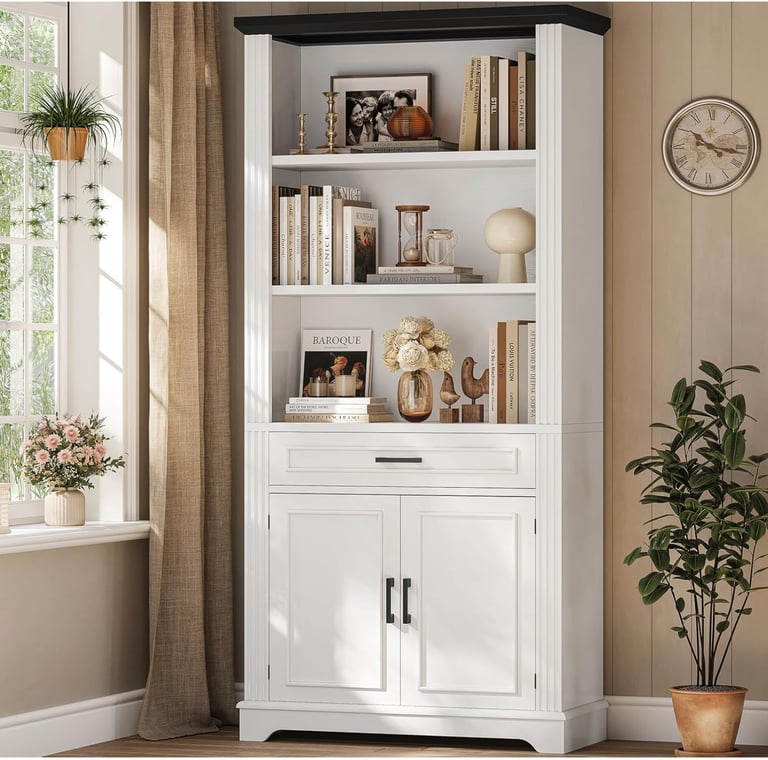
A structured bookcase anchors the room and provides vertical balance. When styled with restraint, it holds what is necessary without feeling crowded. Leave negative space between objects. Mix books with a small number of functional storage pieces so the shelf supports the work rather than displaying excess.
For paper specifically, a defined organizer prevents daily documents from migrating across the desk. A vertical paper system keeps active files accessible while preserving surface space. It allows planning materials to live within reach without becoming visual noise.
Containment is not about hiding everything. It is about assigning purpose to each item. When storage feels deliberate, the entire workspace settles into order.
Edit the Edges
A workspace can feel complete at eye level yet unfinished where it meets the floor. The transition beneath the desk often determines whether the room feels intentional or improvised. Editing the edges brings visual cohesion and practical support.
A glass floor mat preserves the continuity of wood or tile while allowing the chair to move smoothly. It protects the surface without interrupting the material beneath it. The result is clean and nearly invisible, which works well in spaces that lean minimal.
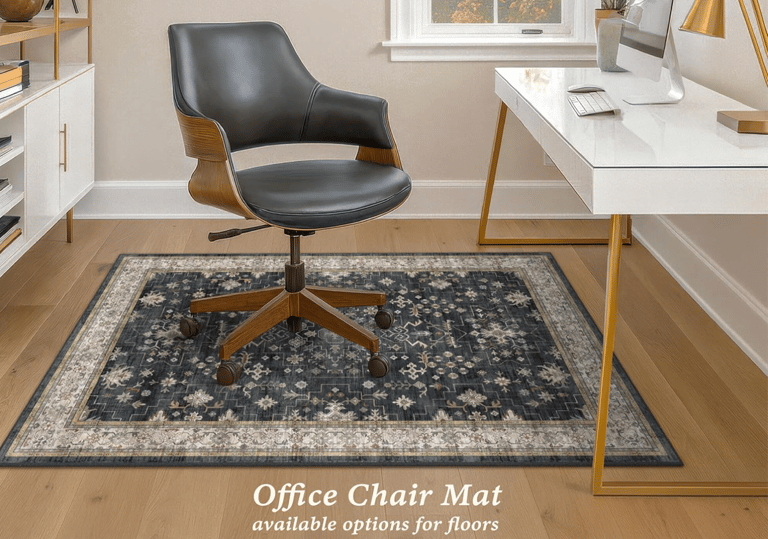
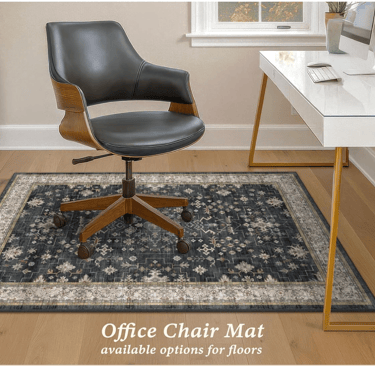
For a softer approach, a chair mat that resembles a low-profile rug grounds the desk area and introduces subtle texture. It defines the work zone while still serving a practical purpose. This option works especially well in multi-use rooms where warmth matters as much as function.
Neither choice is about drawing attention. Both are about reducing friction and reinforcing the sense that the office was designed as a whole. When the foundation is considered, the rest of the room feels resolved.
Bringing It All Together
A well-designed home office is not about adding more. It is about editing with intention so the space supports how you think and work. When each choice feels deliberate, the room stops feeling temporary and starts feeling settled.
Visual quiet. Ergonomic alignment. Light with intention. Containment. Finished edges. These are not rules. They are a lens you can return to as your space evolves.
Refine it over time. Keep what works. Remove what does not. The pieces linked throughout are simply starting points for building a workspace that feels clear, comfortable, and genuinely yours.